
Why Intentions and Goals Define Your Outdoor Adventure
The True Wilderness Compass
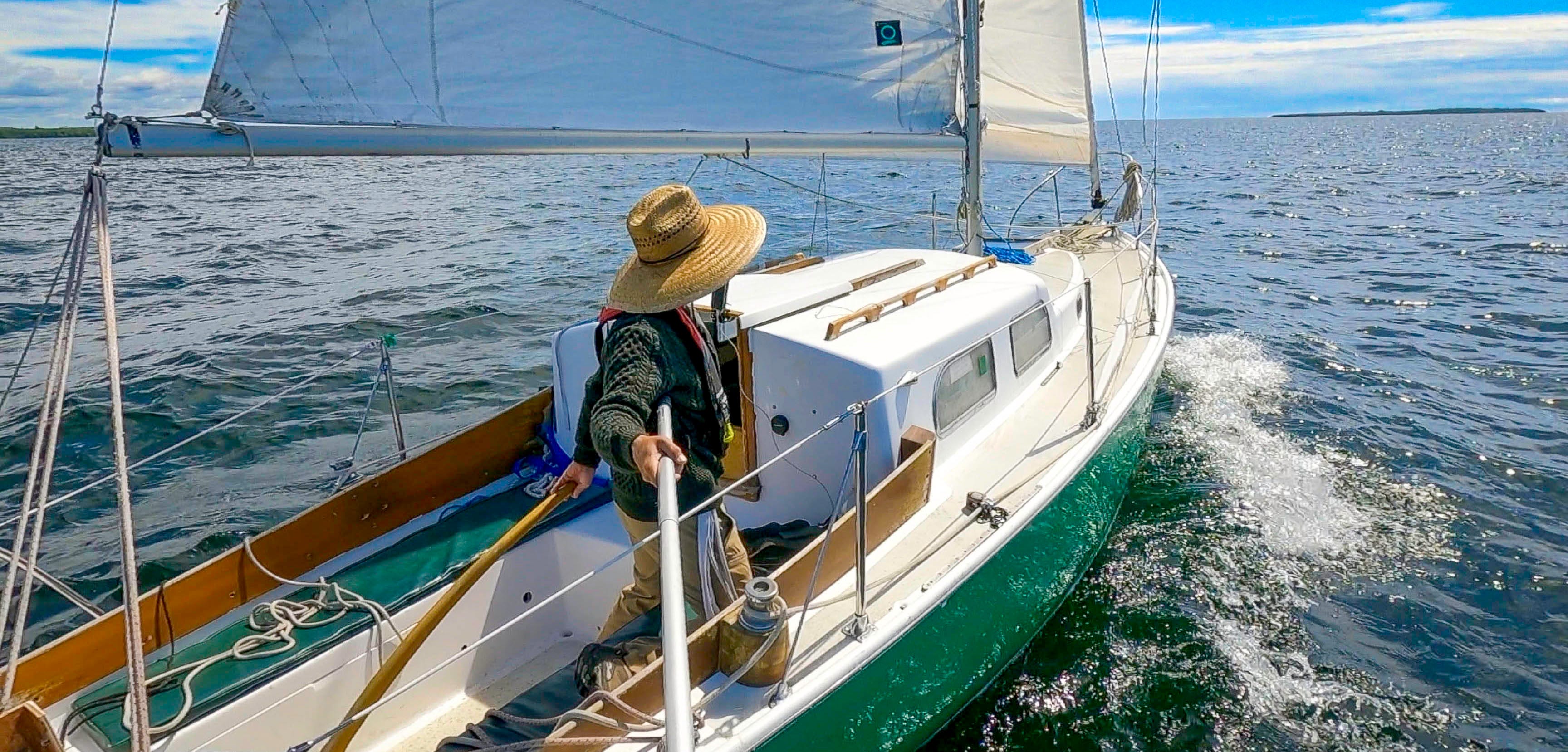
Have you ever set out on a trail, paddled into a vast lake, or hoisted sails with no real destination? It's a tempting idea—aimless wandering. But in the wild, aimlessness can quickly turn to trouble. More importantly, it can rob us of the profound experiences nature offers. Discover how setting clear intentions and goals can keep you safe and lead to profound and transformative experiences in nature, moving you beyond simply being in nature to engaging with it.
For years, I've watched enthusiasts, including myself, head into the wild, full of excitement but lacking a clear 'why.' It's easy to romanticize letting the wind take you, but the wilderness demands respect and preparation. While appealing, that initial thought of aimless wandering can quickly lead to missteps or missed opportunities. Instead, setting clear intentions and goals for your trip, whether a quick weekend camping trip or a multi-week expedition, ensures you're not just present but purposefully engaged.
In this piece, we'll explore why setting clear intentions and goals defines your outdoor adventure and lays the groundwork for all your future wilderness endeavours. This principle is a cornerstone of what I discuss in my book Design Your Life for Peak Outdoor Experiences.
Purpose as Your Guide
Over the past 40 years, exploring diverse landscapes across two hemispheres and multiple continents, I've learned an invaluable lesson: a clear purpose is your compass, even when the physical trail disappears. It's the fundamental difference between a random walk and a genuine journey of discovery. Think of it this way: are you merely strolling through a forest, embarking on a quest to find a hidden waterfall, documenting rare bird species, or challenging yourself to master a new skill? That sense of direction transforms the entire experience.
Empowerment Through Clarity
Setting clear intentions and goals isn't about rigid control but purposeful engagement. It's about deeply understanding why you venture into these wild spaces and how to make the absolute most of your precious time there. This clarity isn't restrictive; it's liberating. This sense of purpose and direction empowers you, giving you the confidence to navigate the wild with precision and control. It's the difference between feeling lost and entirely in command of your adventure.
More Than Survival
Moving beyond basic survival might sound daunting, but applying a little foresight is remarkably simple. We're not just talking about pitching a tent or starting a fire. We're talking about turning your wilderness trip into a meaningful contribution. Imagine breaking down a larger objective, like studying local flora, into smaller, actionable tasks – for instance, collecting ecological data with specific parameters. This transformation from aimless wandering into purposeful contributions, perhaps even using SMART goals (Specific, Measurable, Achievable, Relevant, Time-bound), which means setting specific, measurable, achievable, relevant, and time-bound goals, elevates your experience. It ensures you're not just wandering but actively contributing to your growth and understanding of the natural world.
Resilience Through Adaptability
Here's the wild truth: plans are never set in stone when you're out there. The wilderness is beautifully, wonderfully unpredictable. A sudden storm might roll in, your gear could malfunction, or you might have an unexpected wildlife encounter that forces a change of plans. This isn't a setback; it's part of the adventure. This point directly emphasizes the critical need for flexibility. This adaptability, this readiness to change course when necessary, makes us resilient in the face of the wild's grand unpredictability. It's about learning to dance with nature, not fight it. Every unexpected challenge is an opportunity to learn and grow, making you more resilient and prepared for the next adventure.
Practical Tips for Purposeful Adventures
Define Your "Why": Before you even pack your first item, ask yourself: Why am I going? What do I hope to gain or achieve?
Set Intentions (Not Just Destinations): Instead of 'hike to the lake, 'try 'hike to the lake to observe bird migrations' or 'hike to the lake to practice navigation skills.' Your intention could be to learn about the local flora and fauna or to challenge yourself physically. Your goal could be to reach a specific landmark or to improve a particular skill.
Embrace Flexibility: Always have a Plan B (and maybe a Plan C!). The best explorers are those who can adapt on the fly.
Learn and Grow: See every unexpected challenge as an opportunity to learn something new about yourself and the wilderness.
The wilderness is waiting, ready to offer profound experiences to those who seek them with intention. So, are you ready to transform your next outdoor adventure from a simple outing into a journey of purpose, discovery, and empowered resilience? The compass is in your hand; just point it with purpose.
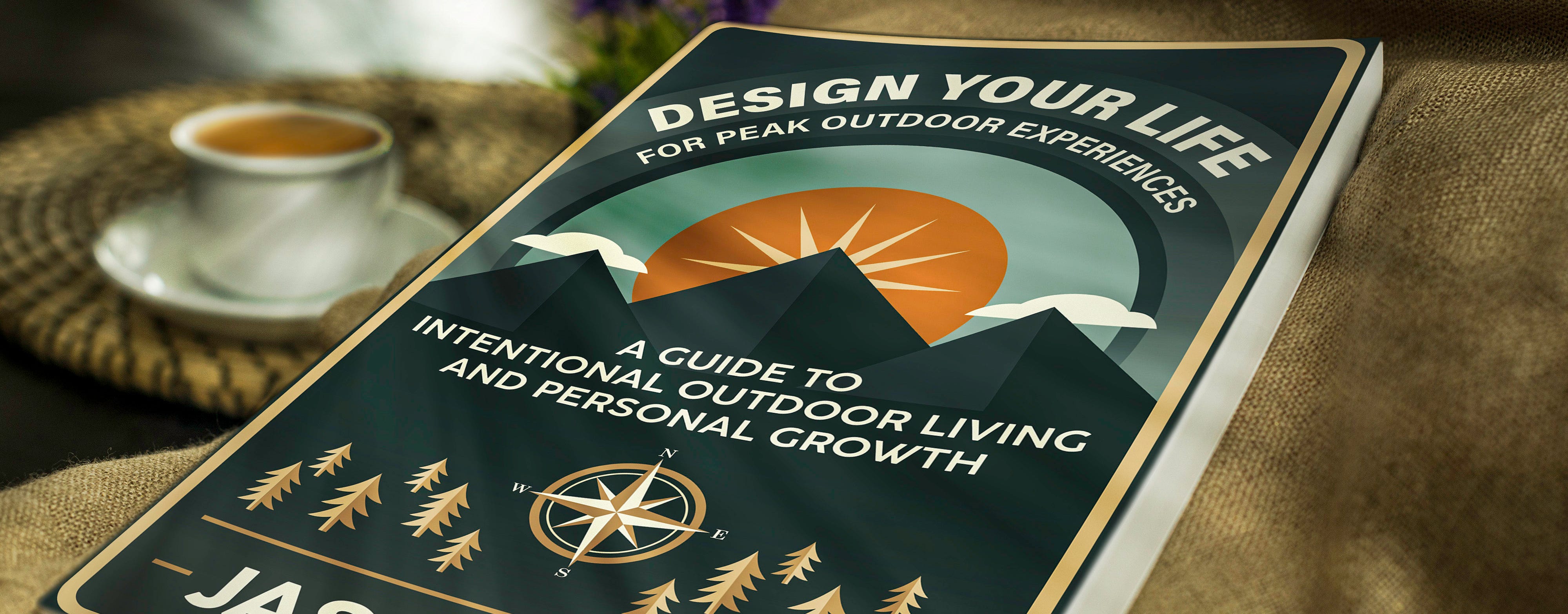
Consider implementing strategic adventure planning to maximize these experiences and align your outdoor adventures with personal growth. My new book, Design Your Life for Peak Outdoor Experiences: Guide to Intentional Outdoor Living and Personal Growth, delves into these principles and offers a guide for those looking to intentionally design their time in nature for deeper personal discovery and fulfillment.
You might also like:


Ready to Level Up Your Skills? Discover KnotSkool.
Don't just consume the outdoors, master it. Knot-tying is a foundational skill that unlocks deeper understanding and self-reliance in the wild and beyond.
Unlock a world of knots with KnotSkool! Get instant access to clear, step-by-step tutorials and join a community of fellow learners.
Start your FREE 14-day trial today!